

Blog
Direct Thermal vs. Thermal Transfer Printing
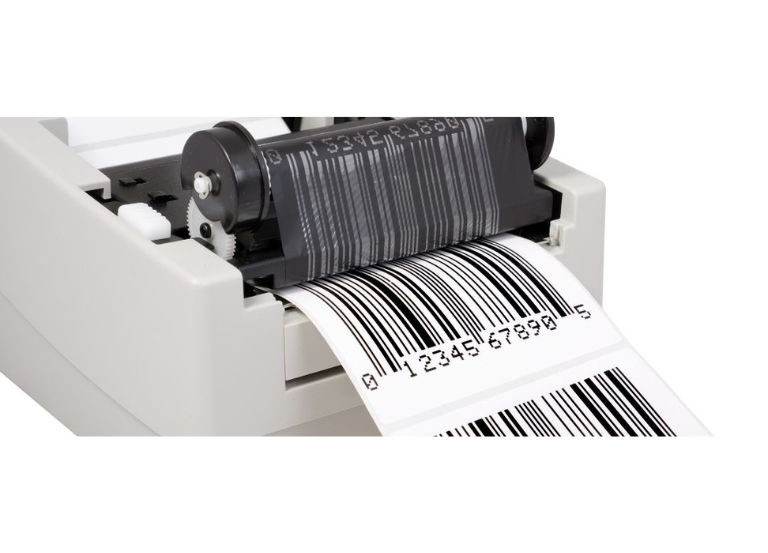
Thermal barcode printers are valuable tools in many industries that require labeling such as food service, retail or healthcare. Both types of thermal printing:
- Thermal transfer
- Direct thermal printing
Provide a comprehensive array of advantages for individuals interested in printing their own thermal labels. Therefore, it is essential to possess a solid understanding of both techniques to ensure you make the most suitable decision for your requirements.
- This article serves as a comparative guide for direct thermal and thermal transfer printing.
- We will thoroughly explain the distinctions between thermal transfer and direct thermal printing, as well as examine the benefits and drawbacks of each printing method.
Advantages of Direct Thermal Printing
One significant benefit of direct thermal printers is their ease of use. There is no ribbon to load or adjustments required, which means that less expertise is needed to operate them. Additional advantages include:
- Lower purchase cost
- No need to dispose of ribbons
- High-quality, scannable images
- No mechanical parts that can fail or need replaced
- More compact and mobile
- Less inventory cost
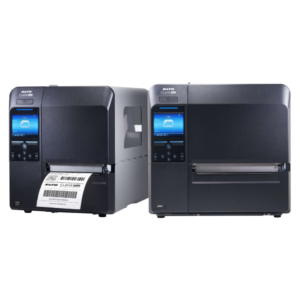
Advantages of Thermal Transfer Printing
One significant benefit of thermal transfer printers is their ability to produce images that last longer than those generated by direct thermal printing.
Text and images created through thermal transfer are less susceptible to fading when exposed to direct sunlight. Additional benefits include:
- Longer printhead lifespan
- Availability of colored ribbons
- Wide selection of labels
- Thermal Receipt Printer – Cloud CTP60
- What is thermal printer?