

Blog
What is a Chip Card?
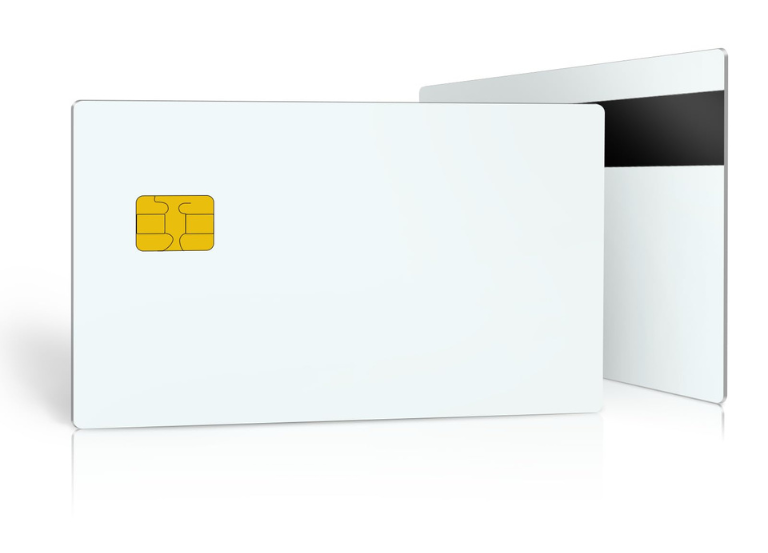
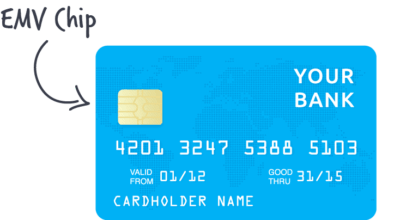
A chip card is a standard-size plastic debit or credit card that contains an embedded microchip as well as a traditional magnetic stripe. The chip encrypts information to increase data security when making transactions at stores, terminals, or automated teller machines (ATMs).
A chip card, also known as a smart card or EMV card, is a plastic card with an embedded microchip. This chip stores and processes information, making it more secure than traditional magnetic stripe cards.
How it Works:
- Insertion: The card is inserted into a chip-enabled card reader.
- Communication: The chip communicates with the reader, securely transmitting transaction data.
- Encryption: The chip encrypts the data, making it difficult for hackers to intercept and steal.
- Authentication: The card is authenticated by the system.
- Transaction: The transaction is processed and completed.
Benefits of Chip Cards:
- Enhanced Security: Chip cards offer a higher level of security compared to magnetic stripe cards due to their encryption capabilities.
- Reduced Fraud: The chip-based technology makes it more difficult for fraudsters to counterfeit or clone cards.
- Global Standard: Chip cards are widely accepted worldwide, making them convenient for international travel.
Common Uses of Chip Cards:
- Payment Cards: Credit cards, debit cards, and prepaid cards.
- Access Cards: Building access, employee ID cards, and student ID cards.
- Transportation Cards: Public transportation passes.
- Government ID Cards: National ID cards, driver’s licenses, and passports.
By understanding the technology and benefits of chip cards, you can make informed decisions about your financial and security needs.