

Blog
What is RFID card used for?
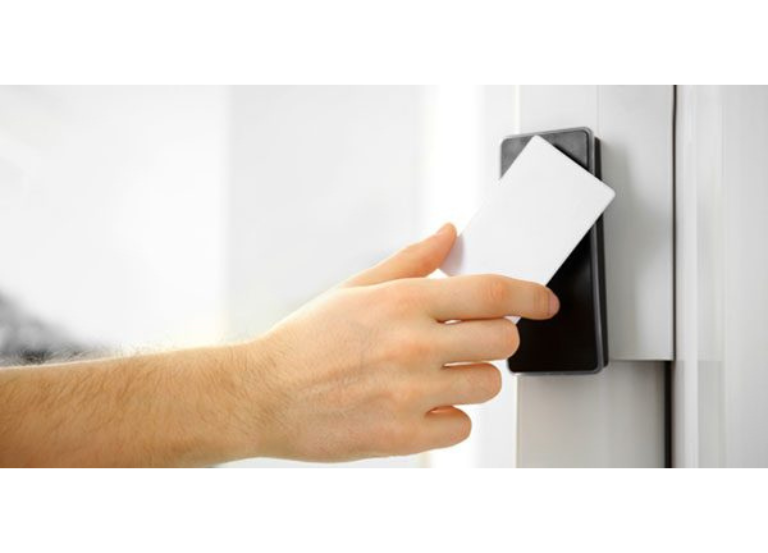
An RFID (Radio-Frequency Identification) card employs radio waves to wirelessly identify and monitor individuals or items, facilitating contactless access, payments, and inventory management across a range of applications such as transit passes, credit cards, employee badges, hotel keys, toll collection, and asset tracking for enhanced efficiency and security.
These RFID cards retain unique information, enabling readers to interact with them without the need for physical contact, merely requiring a simple wave or tap.
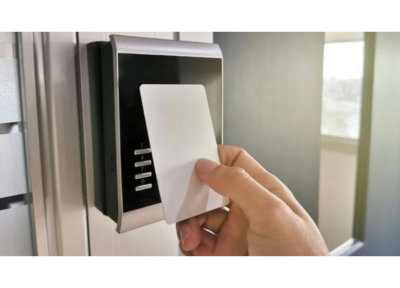
- These RFID cards are used for contactless identification, tracking, and access control by transmitting data via radio waves to a reader.
- The common uses include secure building access, contactless payments (credit cards, mobile wallets), public transportation, time tracking, library management, and inventory tracking.
Key applications of RFID cards:
- Access Control: It is used as employee ID badges or key cards for secure door entry in workplaces, gyms, and hotels.
- Identification & Tracking: A RFID card is used for tracking personnel, valuable assets, and items in industrial, health, and logistical settings.
- Secure Payments: Contactless credit cards and mobile wallet payments utilize this technology for fast transactions.
- Transportation: Tap-on systems for buses and trains often use RFID technology.
- Vehicle & Document Tracking: Highway toll tags and passport identification.
These RFID cards generally operate using low frequency (125 kHz) for proximity access or high frequency (13.56 MHz) for secure, faster, or longer-range data transmission.