

Blog
What does a thermal printer do?
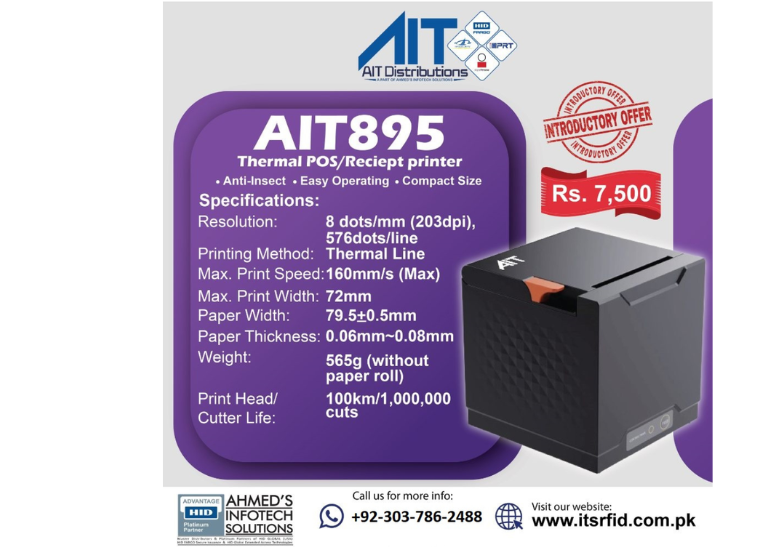
A thermal printer utilizes heat to generate images or text on specially coated paper, eliminating the need for ink, toner, or ribbon cartridges. It operates by applying heat from a printhead to thermosensitive paper, which darkens when heated, allowing for the rapid production of labels, receipts, and barcodes.
Key features of thermal printers:
- No Ink Needed: They operate without ink or toner, reducing long-term maintenance costs and avoiding ink smudges.
- High Speed & Reliability: Ideal for high-volume printing, such as shipping labels, POS receipts, and barcodes.
- Uses Specialized Paper: Direct thermal printers require heat-sensitive paper to create images.
- Portability & Size: Numerous models are designed to be compact and portable, which enhances their utility for mobile printing in logistics or retail.
Common Applications:
- Thermal printers are widely used in retail and business environments, including printing shipping labels, receipts, price tags, wristbands, and barcodes.
Types of Thermal Printing
- Direct Thermal: Uses a heated printhead to directly activate heat-sensitive paper.
- Thermal Transfer: Uses a heated ribbon to melt ink onto the material, resulting in longer-lasting prints