

Blog
What are passive RFID tags?
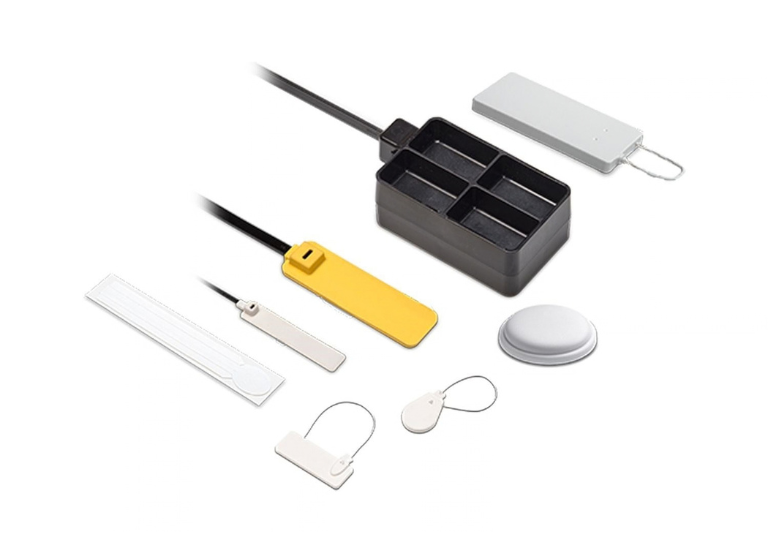
Passive RFID tags are devices that operate without batteries, transmitting data wirelessly by utilizing energy obtained from the radio frequency (RF) signal of an external RFID reader. Due to their lack of dependence on an internal power source, these tags are cost-effective, lightweight, and can last indefinitely.
How They Operate?
An RFID system consists of a reader, an antenna, and the tag itself. Passive tags function in a highly defined sequence.:
- Signal Emission: An RFID reader transmits an electromagnetic radio wave.
- Power Harvesting: When the tag enters the reader’s zone, its internal antenna captures this electromagnetic energy.
- Activation: This harvested energy briefly powers up the tag’s microchip.
- Data Transmission: The tag transmits its encoded information (such as an Electronic Product Code or a distinct serial number) to the reader.
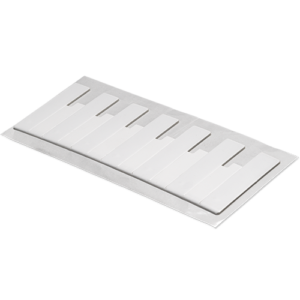
Fundamental Parts
Passive tags are relatively simple in design and consist of two main parts:
- Integrated Circuit (Microchip): Stores tag data and modulates the signal.
- Antenna: Gathers energy from the reader and reflects the signal back.
Advantages
- Cost-effective: Mass-produced alternatives can be quite affordable, rendering them very cost-effective for tracking single-use items
- Long Lifespan: Without a battery to deplete, the hardware can endure indefinitely until it is physically harmed
- Small & Lightweight: Tags can be produced in sizes as small as adhesive labels or miniature implants
Limitations
- Short Read Range: They have a limited operating range, typically requiring the tag to be within a few centimeters to about 30 feet (depending on the radio frequency used) of the scanner
- No Real-Time Tracking: They only transmit data when actively energized and queried by an external reader
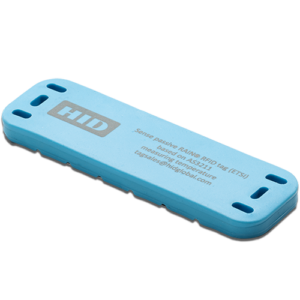
Common Use Cases
Because of their low price point and disposability, they are the industry standard for:
- Supply Chain & Logistics: Tracking boxes, pallets, and individual retail items across the globe
- Asset Tracking: Managing tools, medical equipment, and library books.
- Anti-Counterfeiting: Embedding tags in luxury goods and documents to ensure authenticity
- Contactless Access & Payments: Used widely in transit cards and secure building key fobs
If you are considering implementing an RFID system, I can help you:
- Estimate the read ranges for different frequencies (LF, HF, UHF)
- Compare the costs of passive vs. active tags for your specific assets
- Recommend specific hard tag or label types for your environment