

Blog
Access Cards
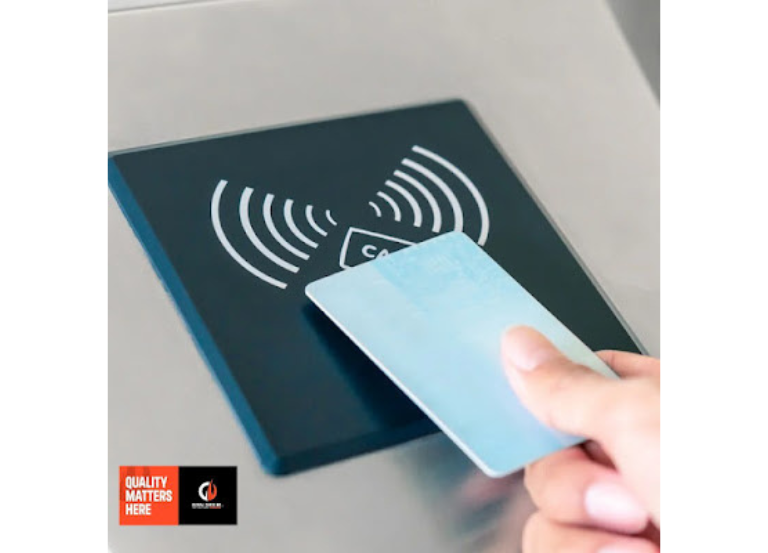
A Gateway to Security and Convenience
Access cards have become an integral part of modern security systems, providing a convenient and secure way to control access to buildings, facilities, and restricted areas. These cards, typically the size of a credit card, contain a unique identifier that is used to verify a person’s authorization to enter specific locations.
Types of Access Cards
- Magnetic Stripe Cards: The earliest type, using a magnetic stripe on the back to store data.
- Proximity Cards: Utilize radio frequency identification (RFID) technology for contactless access.
- Smart Cards: Store more data and can perform complex operations.
- Biometric Cards: Combine card-based identification with biometric features like fingerprints or facial recognition.
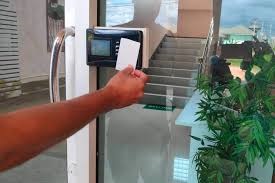
How Access Cards Work
- Card Reader: A device installed at entry points reads the card’s information
- Verification: The reader compares the card’s data with authorized user records
- Access Granted or Denied: Based on the verification result, the reader controls the door or gate
Benefits of Access Cards
- Enhanced Security: Restrict access to authorized personnel only
- Convenience: Eliminate the need for keys or passwords
- Time-Saving: Quick and efficient entry and exit
- Auditability: Track who accessed specific areas and when
- Scalability: Easily manage access rights for large organizations
Applications of Access Cards
- Office Buildings: Employee access control.
- Residential Complexes: Tenant access to common areas.
- Hospitals: Restricted access to patient records and sensitive areas.
- Schools: Student and staff identification.
- Data Centers: Secure access to IT infrastructure.
- Access cards design
- Event access card
- Office access card
- RFID Access Card

- Digital Persona 5300
