

Blog
What are 5 Advantages of a thermal printer?
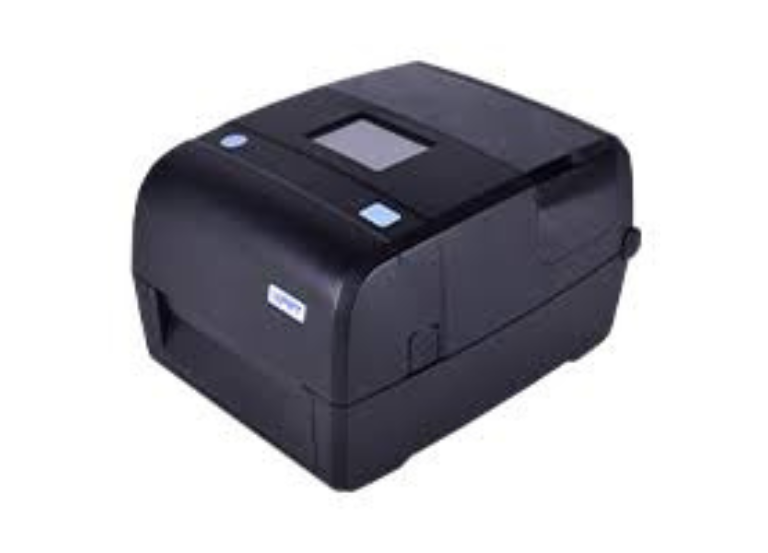
Here are the 5 advantages of a thermal printer?
- Limited color options.
- Sensitivity to heat and abrasion.
- Special thermal paper is required.
- Fading prints due to overexposure.
- Direct thermal printers aren’t suitable for long-term archival.
Thermal printers provide rapid, inkless printing; however, they possess considerable limitations for everyday applications.
The five primary disadvantages include the tendency for prints to deteriorate when subjected to heat or light, a predominant restriction to monochrome (black and white) output, the necessity for costly specialized paper, the fragility of heat-sensitive printheads, and their unsuitability for high-resolution images.
Here are five key Aadvantages of thermal printers:
- Poor Print Permanence (Fading): Thermal paper is extremely susceptible to environmental influences. With the passage of time, prints diminish in quality when subjected to sunlight, heat, or moisture, rendering them inappropriate for long-term storage or documentation.
- Limited Color Options: Most thermal printers (specifically direct thermal) are limited to black and white printing. They cannot produce color images or documents.
- High Cost of Specialized Paper: Although you conserve funds by avoiding the purchase of ink or toner, the necessary thermal paper is frequently pricier than conventional paper.
- Fragile Printhead Components: The printheads, which are essential for producing heat to activate the paper, can be easily damaged or wear out over time. They are often expensive to repair or replace.
- Limited Use Cases & Environmental Sensitivity: Thermal printers are unable to print on a variety of materials, such as fabric or photo paper, and they are vulnerable to heat damage, as extreme temperatures can result in the entire document becoming black.