

Blog
What is a thermal transfer label printer?
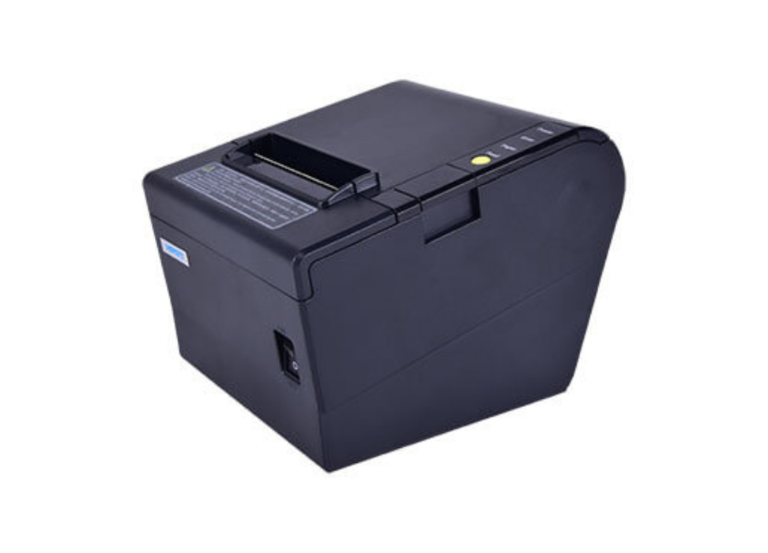
A thermal transfer label printer is a digital apparatus that employs a heated printhead to melt a ribbon made of wax, resin, or a combination of both onto a label substrate, resulting in durable, high-definition, and long-lasting prints that are resistant to heat, sunlight, and chemicals.
Key Features & Applications:
- Durability: Unlike direct thermal printing, thermal transfer labels are permanent, scratch-resistant, and suitable for harsh environments, making them ideal for long-term storage
- Versatility: These printers can print on various materials, including paper, polyester, polypropylene, and vinyl
- High-Quality Output: They produce high-resolution, sharp text, graphics, and 1D/2D barcodes, which are essential for precise scanning.
- Usage Examples:
- Logistics & Retail: Shipping labels, barcodes, and inventory management labels.
- Industrial: Asset tags, chemical labeling, and product packaging.
- Healthcare: Patient wristbands, specimen labels, and laboratory tracking.
Benefits:
- High Durability: Produces, heat, moisture, and chemical-resistant labels that can last for years.
- Superior Quality: Ideal for barcodes requiring high edge definition for accurate scanning.
- Versatile Materials: Prints on paper, polyester, and polypropylene materials.
- Versatile Ribbon Options: Utilizes wax, wax-resin, or resin ribbons to align with the durability requirements of the surface.
- Color Capability: Facilitates the utilization of colored ribbons for the purpose of categorization.
How It Works:
A heated printhead applies heat to a ribbon, which transfers ink onto the label surface. This method allows for color printing (using different colored ribbons) and provides superior durability compared to direct thermal printers.
Synonyms & Related Terms:
- TTO printer (Thermal Transfer Overprinter)
- Barcode printer (often, though these can be direct thermal)
- Industrial label printer (common for high-volume, durable applications)
Thermal transfer printers are preferred when labels need to last for years rather than days, as they do not fade when exposed to environmental factors.