

Blog
What is biometric verification in bank?

Biometric verification in banking uses unique physical traits—such as fingerprints, face scans, or iris scans—to confirm a customer’s identity. It replaces traditional PINs and passwords, offering a highly secure and convenient method for logging into accounts, authorizing transactions, and meeting compliance regulations.
Key Aspects of Biometric Verification
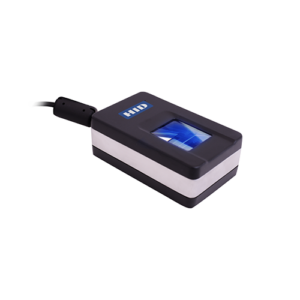
- How It Works: A sensor collects your biometric information (such as a thumbprint or facial recognition), transforms it into an encrypted digital template, and then matches it with verified records (like national identity database).
- Regulatory Requirements: In Pakistan, the State Bank of Pakistan (SBP) mandates biometric verification for all account holders to prevent financial fraud, corruption, and money laundering.

Usage Examples:
- In-Branch: Using your thumbprint on a physical device at the bank counter to either open an account or withdraw funds.nds.
- Digital/Mobile Banking: Utilize the face unlock feature or fingerprint scanner on your smartphone to access mobile banking applications such as MCB Live or the AL Habib app, or to activate your account digitally.
- Overseas/Expat Customers: At times, Non-Resident Pakistanis (NRPs) can offer undertakings and identity documents, including CNIC/NICOP, as an alternative to biometric verification when they are outside the country