

Blog
What is DPI in a label printer?
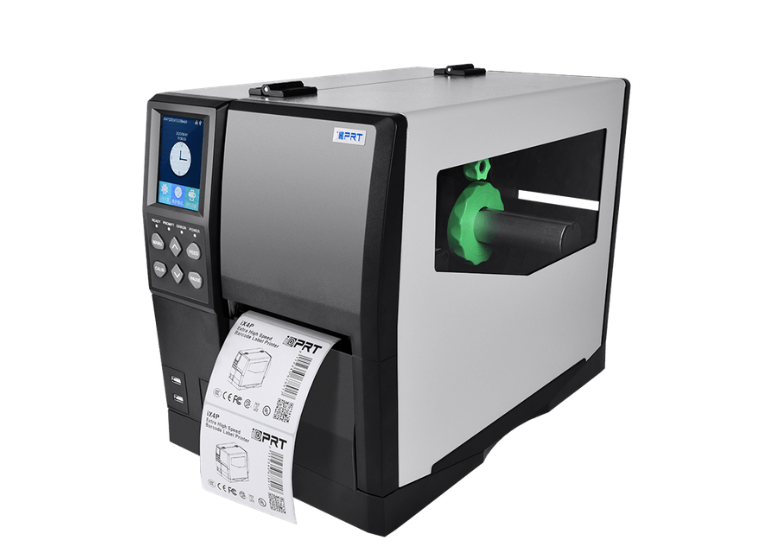
The DPI refers to Dots Per Inch. In the context of label printing, it assesses the resolution and clarity of labels by specifying the number of minute, individual dots that the printer can position within one linear inch. An increased DPI results in sharper text, clearer lines, and barcodes that are easier to scan.
Choosing the right DPI depends entirely on what you are printing and how the labels will be used:
- 203 DPI: The industry standard for shipping and logistics labels. It is fast and perfectly adequate for basic text, addresses, and large or standard barcodes.
- 300 DPI: The sweet spot for product labels and small text. It is highly recommended if you need to fit nutrition facts, ingredients, or smaller, high-density barcodes on a limited amount of space.
- 600 DPI: The best choice for high-resolution branding. Ideal for premium labels, intricate logos, or microscopic text (like on jewelry or electronic component tags).
Keep in mind that while jumping to a higher DPI drastically improves clarity, printers with 300 or 600 DPI often print at slightly slower speeds than their 203 DPI counterparts.