

Blog
What is HID in RFID?
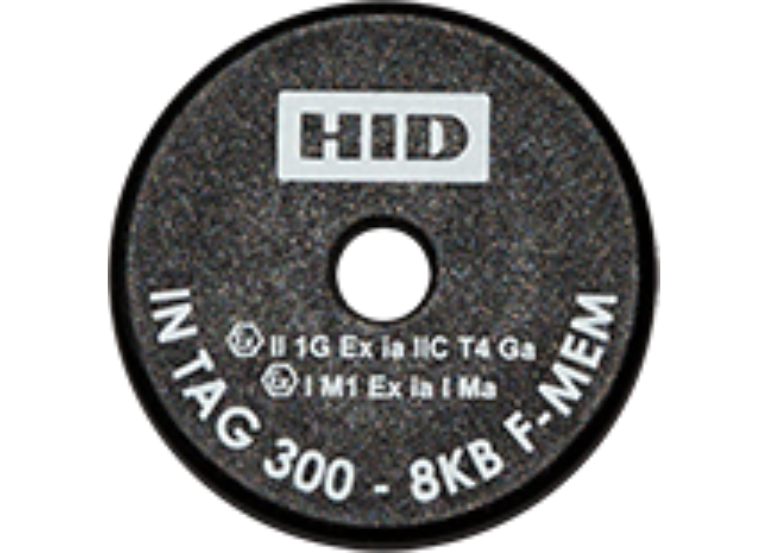
In the realm of RFID, the term HID typically denotes HID Global, a prominent producer of secure identity and access control solutions.
- Although RFID serves as the foundational radio frequency technology.
- HID represents the brand responsible for manufacturing the commonly utilized proximity cards, smart cards, key fobs, and readers essential for physical security.
HID Proximity Cards (Prox Cards)
These are the most common products associated with HID. They contain an embedded RFID chip and an antenna that communicate wirelessly with an HID reader.
- How they work: When you hold the card near the reader, the antenna receives radio waves, which power the chip inside. The chip transmits a unique ID number to the reader to either grant or deny access to a building.
- Frequencies: They typically operate on the Low-Frequency (LF) 125 kHz band.
High-Security Credentials
As technology has evolved, HID has moved beyond simple proximity cards to create highly secure, encrypted smart cards.
- iCLASS and Seos: These are lines of high-frequency (13.56 MHz) smart cards that offer advanced encryption and authentication features. They are much harder to clone than traditional 125 kHz cards.
Industrial RFID Tags
- Beyond door access, HID manufactures heavy-duty RFID tags for asset tracking and logistics.
- These tags are designed to withstand extreme environments, harsh chemicals, and physical impacts, allowing businesses to track heavy machinery, tools, or returnable transport items.
HID vs. RFID
People often confuse the terms because “HID card” is used as shorthand for an access badge. To clarify the difference:
- RFID is the technology itself (Radio Frequency Identification).
- HID is a company that uses RFID technology to create physical access control systems and credentials.
IN Tag low, high and ultrahigh frequency RFID tagsWhat is an RFID tag sensor?