

Blog
What is HID proximity?
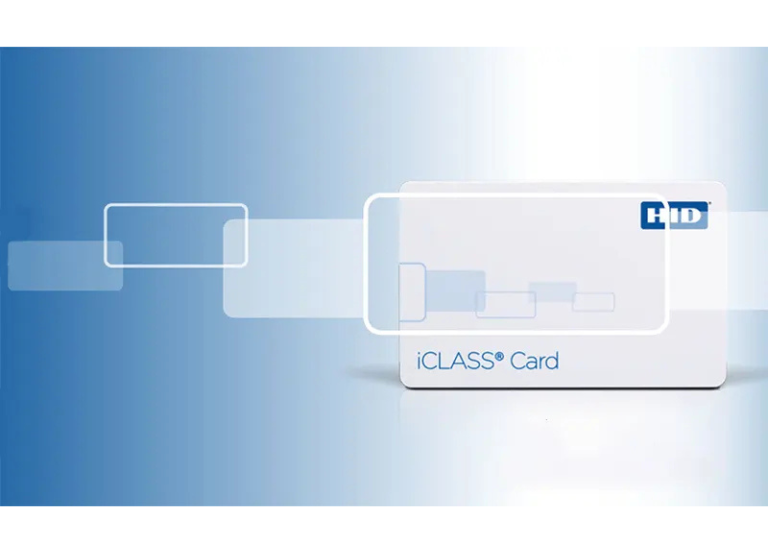
HID Proximity refers to a commonly utilized, low-frequency (125 kHz) contactless technology developed by HID Global. It employs cards, fobs, and tags that contain embedded chips, which interact with a nearby reader to facilitate physical access control, such as door entry, by exchanging unique codes.
- While this technology provides convenience, it is now regarded as less secure compared to more recent technologies, primarily due to the simplicity of cloning.
📞 For technical supports: +92-303-333-1193
How it works:
- Card/Tag: Contains a microchip and antenna.
- Reader: Placed near an entry point (e.g., door).
- Proximity: When the card is near the reader (inches away), the reader’s radio frequency activates the chip, which transmits its unique ID.
- Access: The reader checks the code against a database; if valid, access is granted.
Key characteristics:
- Frequency: Operates at 125 kHz.
- Credentials: Includes standard PVC cards, composite cards (for printing), fobs, and adhesive tags.
- Read Range: Varies by reader model (e.g., from 2.5 inches to 20 inches).
- Security: Considered insecure because data can be easily copied (cloned) by readily available devices, creating unauthorized duplicates, unlike more secure smart card technologies (like iCLASS)
Common Uses:
- Office buildings, campuses, schools for controlling entry
- Visitor management systems.
Security Note
- While convenient and a standard for decades, its vulnerability to cloning means many organizations are upgrading to more secure options for better protection against unauthorized access
What does the HID stand for?
- Human Interface Device (like keyboards, mice) in technology, and also refers to the company HID Global, a leader in secure identity solutions. The specific meaning depends on the context, but lighting and computer devices are the most common uses.