

Blog
Why Secure Printing Is Still a Critical Blind Spot in Workplace Security
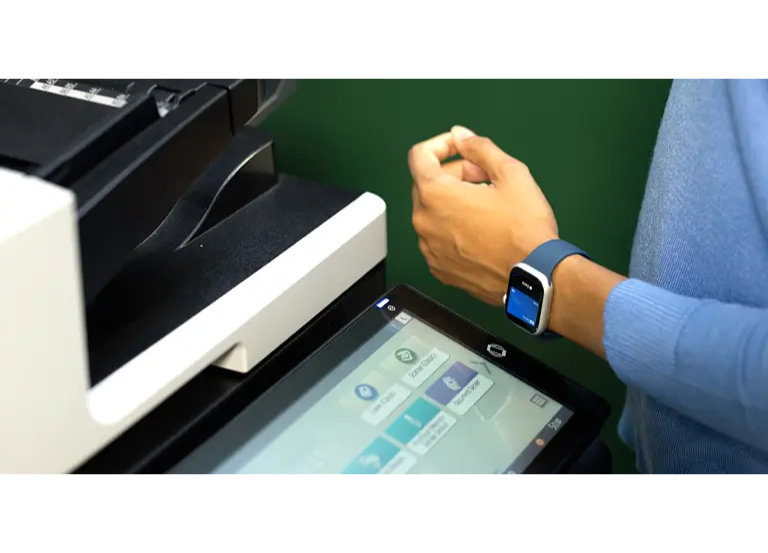
The organizations have invested heavily in protecting the digital workplace. Networks are monitored, applications require authentication and access to sensitive systems depends on verifying that users are who they claim to be.
- But those protections can only go so far once sensitive information leaves the screen and lands in a printer tray.
- Printed documents can contain financial information, employee records, customer data, intellectual property, healthcare information and other confidential material.
Yet in many workplaces, a document is released as soon as someone clicks “print,” whether or not that person is standing at the printer to retrieve it.
Secure printing remains a critical blind spot because organizations heavily protect digital channels (emails, cloud apps, and networks) while treating modern multifunction printers (MFPs) as legacy, standalone office appliances rather than networked IoT endpoints.
- That creates a security gap that is easy to overlook.
- A document left unattended at a shared printer can be viewed, removed or simply picked up by the wrong person.
Secure printing helps close that gap by requiring users to authenticate before a document is released. More importantly, organizations can extend the trusted identities employees already use throughout the workplace to make that process both secure and familiar.