

Blog
What is the use of fingerprint reader?
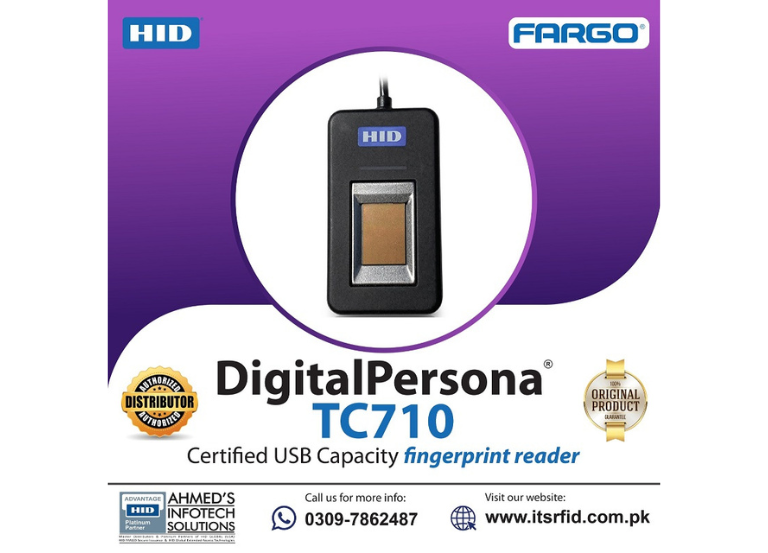
A fingerprint reader is a biometric security apparatus that captures and examines the distinct ridges and valleys of a finger for the purposes of authentication and identification. Primary applications encompass unlocking smartphones and laptops, authorizing financial transactions, regulating access to buildings, and forensic identification. Alternative terms include biometric scanner, fingerprint sensor, or fingerprint scanner.
Key Usage Examples
- Device Security: Gaining access to smartphones, tablets, and laptops, as well as secure applications or confidential files.
- Access Control: Substituting traditional keys or badges with biometric locking systems for office environments, gym access turnstiles, or smart locks for residential properties.
- Financial Authentication: Confirming identity for bank transactions, digital payments, and credit card verification.
- Time & Attendance: Tracking employee working hours in workplaces.
- Law Enforcement: Identifying individuals in forensic investigations.
Advantages of Using a Fingerprint Reader
- Convenience & Speed: Eliminates the need to remember passwords; offers rapid, one-touch verification.
- High Security: Fingerprints are unique and difficult to forge, offering better protection against fraud than traditional methods.
- Data Protection: Modern systems convert fingerprints into encrypted mathematical templates rather than storing raw images, enhancing privacy
Types of Fingerprint Sensors
- Optical: Uses light to take a picture of the fingerprint
- Capacitive: Uses electrical circuits to map the fingerprint, common on phones
- Ultrasonic: Uses sound waves to create a 3D image, often used under smartphone screens