

Blog
What are the 7 types of biometrics?
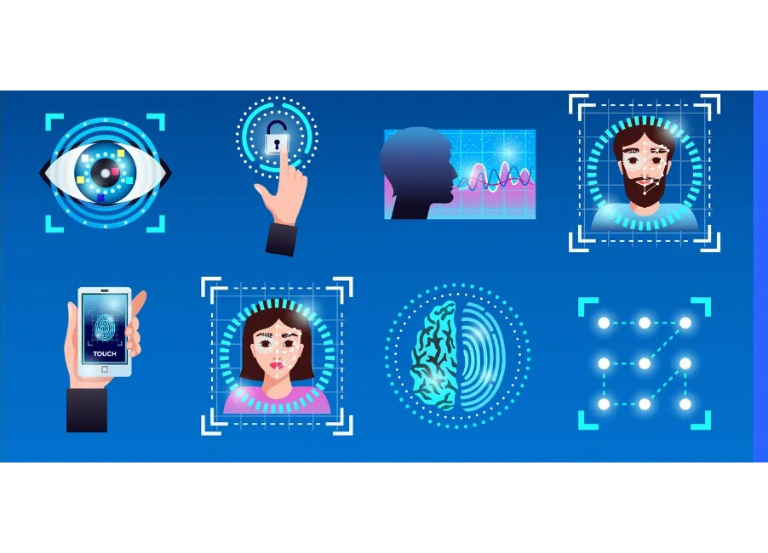
The biometric authentication is typically divided into two primary categories: Physiological (physical characteristics) and Behavioral (actions and behaviors). Although numerous new technologies are emerging, industry standards frequently emphasize seven key types of biometric identifiers. The 7 types of biometrics are:
1. Recognition of Fingerprint
- The most commonly utilized biometric, it examines the distinct patterns of ridges, valleys, and “minutiae” (specific points such as ridge endings) found on an individual’s fingertip.
-
Best For: Daily gadgets (such as smartphones and laptops) along with fundamental access control.

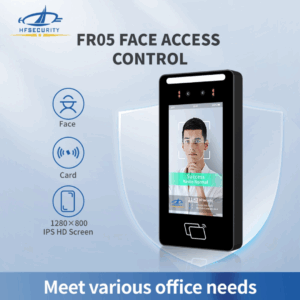
2. Facial Recognition
- This technology maps facial features from a photograph or video. It measures the distance between the eyes, the shape of the jawline, and the contour of the nose to create a “faceprint.”
-
Best For: Airport check-ins, public security and hands-free phone unlocking.
3. Iris Recognition
- Frequently mistaken for retinal scanning, iris recognition examines the detailed, multicolored designs of the iris (the circular area surrounding the pupil).
- It boasts a high level of accuracy due to the remarkable complexity of the iris pattern, which remains consistent throughout an individual’s lifetime.
-
Best For: High-security facilities and border control.
4. Voice Recognition (Voiceprint)
- Voice recognition functions as a combination of physiological characteristics (the configuration of your vocal tract) and behavioral attributes (your pitch, cadence, and accent).
- It generates a distinctive “voiceprint” that is unique to each individual.
-
Best For: Telephone banking and hands-free smart home assistants.
5. Hand Geometry
- This approach assesses the physical attributes of the whole hand, including the length and width of the fingers as well as the thickness of the palm.
-
Best For: Industrial environments where fingerprints might be obscured by dirt or wear, such as warehouses or factories.
6. Vein Pattern Recognition (Palm or Finger)
- Using near-infrared light, this technology maps the unique patterns of veins beneath the skin. Because veins are internal, this method is nearly impossible to “spoof” or fake.
-
Best For: High-end banking (ATMs) and medical record access.
7. Signature Recognition (Behavioral)
- Unlike a simple visual check, digital signature biometrics measure how you sign—analyzing the pressure of the pen, the speed of the stroke, and the rhythm of the writing.
-
Best or: Legal documents and high-value financial transactions.
In biometric science, researchers also refer to the 7 Characteristics that make a trait useful for security:
- Universality: Everyone has it
- Uniqueness: No two people share it
- Permanence: It doesn’t change over time
- Measurability: It can be easily scanned
- Performance: The system is accurate and fast
- Circumvention: It is difficult to trick or fake
- Acceptability: People are willing to use it
- Fingerprint Reader HID EikonTouch TC710
- AI06F Wifi Dynamic Face & Fingerprint Recognition
- https://aitdistribution.com/what-is-a-biometric-tablet/
- What is a biometric tablet?