

Blog
What is an RFID tag sensor?
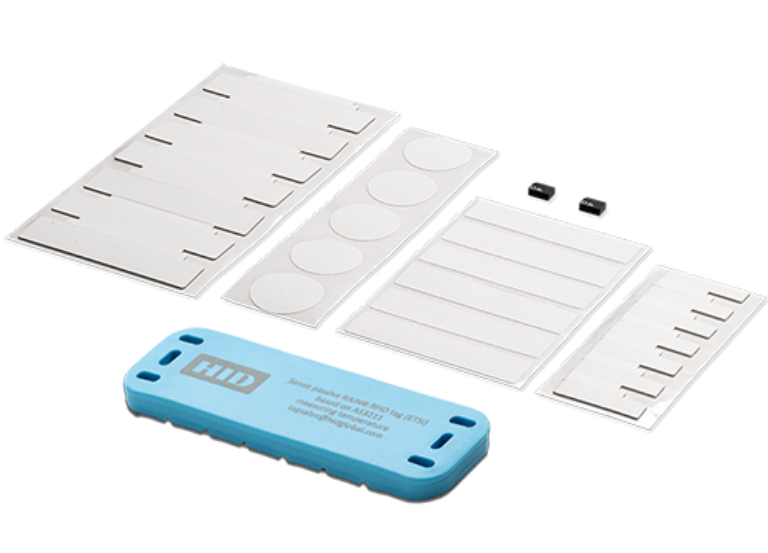
An RFID tag sensor integrates radio-frequency identification technology with environmental monitoring capabilities, enabling the wireless transmission of both a distinctive identifier and physical measurements including temperature, humidity, and pressure.
How RFID Tag Sensors Work
- Core Components: A conventional configuration comprises an RFID tag equipped with an embedded sensor circuit, an RFID reader that transmits radio frequency signals, and middleware software designed to analyze the received data.
- Power Types:
- Passive tags draw all their operating energy from the reader’s radio frequency signal. Changes in the environment alter antenna impedance to reflect data back.
- Active or battery-assisted tags
use internal batteries to power onboard sensors and broadcast longer-range signals independently.
Common Applications
- Cold Chain Tracking: Surveillance of perishable food commodities and vaccine thermal conditions throughout the transportation process.
- Structural Health: The identification and monitoring of chemical substances, stress indicators, or gaseous emissions emanating from walls and infrastructure systems.
Access and Security:
Employing advanced magnetic or contact sensor technology to facilitate remote monitoring and detection of door aperture and closure states.