

Blog
Biometric Device for NADRA Verification
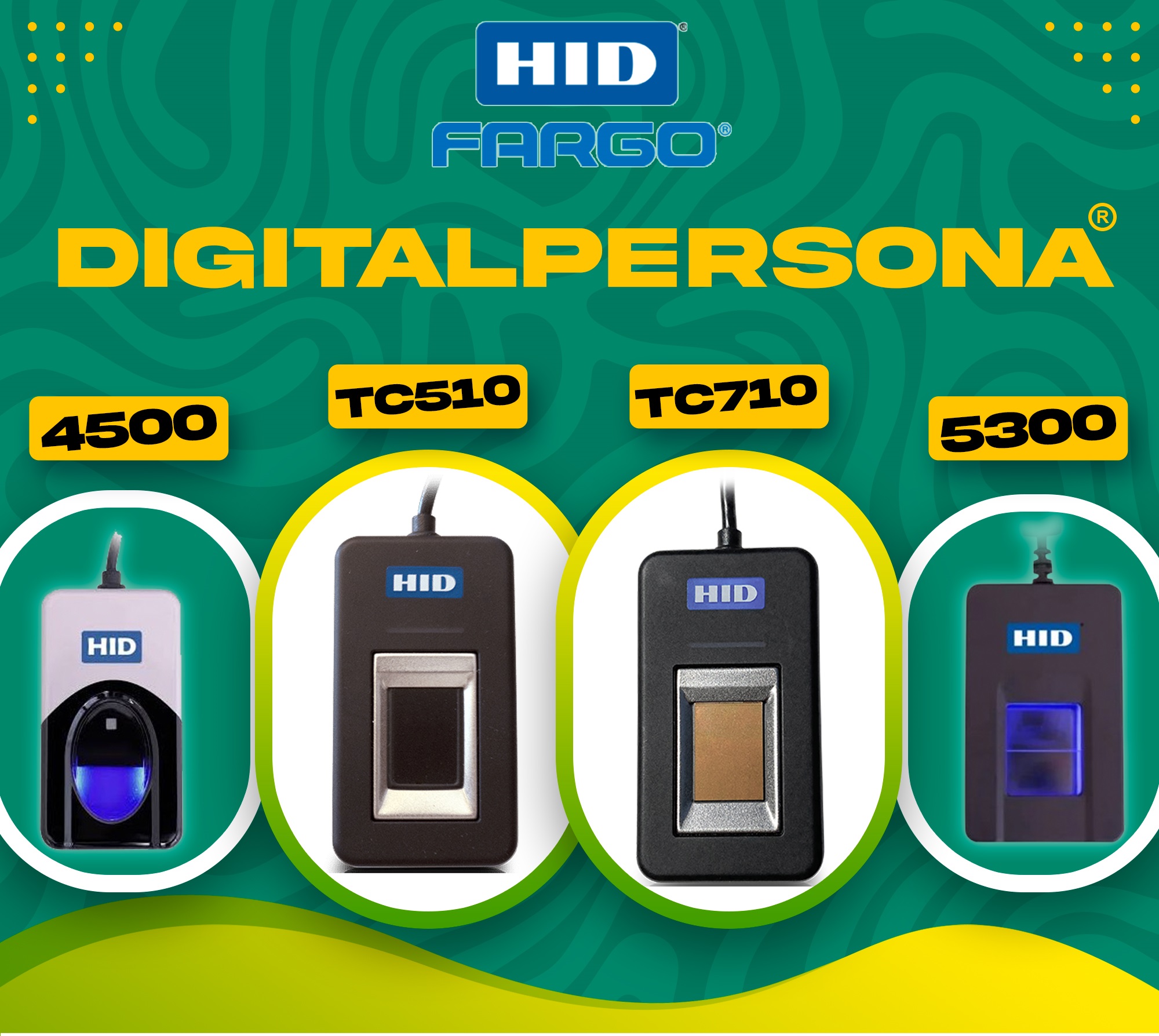
Biometric Device for NADRA Verification requirements for NADRA (National Database and Registration Authority) verification in Pakistan have become more stringent to ensure higher security and lower failure rates.
While fingerprint scanning remains the primary method, NADRA and the State Bank of Pakistan (SBP) now emphasize devices that meet specific international standards to handle “difficult” fingerprints.
The “Gold Standard” for 2026: FIPS 201 & FAP 30
For any institutional verification, the device must meet the FIPS 201 PIV (Federal Information Processing Standard) and ideally have an FAP 30 (Fingerprint Acquisition Profile) rating.
- Higher Accuracy: FAP 30 devices have a larger sensing area (approx. 20 x 25 mm). This captures more ridge detail, which is essential for NADRA’s 1-to-N matching algorithms.
-
Reduced Rejection: Small, non-certified sensors often fail to verify citizens with dry or worn fingers, leading to the “Biometric Failure” issues common in local branches.
Recommended Devices for NADRA Verification
Based on current 2026 technical tenders in Pakistan, these three devices are the most widely accepted:
DigitalPersona 5300 (Optical):
- Best For: Biometric Device for NADRA Verification is high-volume enrollment and banking eKYC.
- Status: It is the top choice for NADRA-compliant projects because of its rugged glass platen and FBI PIV certification.
EikonTouch TC710 (Capacitive):
- Best For: Secure staff login and sensitive financial transactions.
- Status: Preferred by banks because its silicon sensor is highly resistant to “spoofing” (fake fingers).
DigitalPersona 4500 (Optical):
- Best For: General attendance and lower-tier verification.
- Status: Still widely used due to its lower cost, but it is being phased out of high-security government tenders in favor of the 5300.
2026 Updates: Beyond Fingerprints
NADRA has officially expanded the verification ecosystem to include “Alternative Biometrics” to assist citizens whose fingerprints cannot be read.
-
Facial Recognition: Many 2026 verification terminals now include an ISO-compliant camera. If a fingerprint fails, the system can pivot to facial matching against the NADRA database.
-
7-Day Biometric Certificate: Citizens can now obtain a temporary digital certificate from NADRA centers via facial or iris scan, which can then be used at bank counters.
- NADRA biometric verification online by CNIC
Full fingerprint biometrics generally require a smartphone camera scan, the PakID Web Portal, or an authorized NADRA e-Sahulat Franchise.
- NADRA biometric verification certificate
A NADRA biometric verification certificate is an official document or electronic confirmation issued by the National Database and Registration Authority that authenticates a citizen’s identity using fingerprints, facial recognition, or database matching. It is widely used for banking, legal processes, and government services.
- NADRA CNIC verification online free
Official NADRA CNIC verification via Verisys requires a small service fee per check, but you can track application statuses or check basic ID card details for free using official mobile and SMS channels.
- NADRA biometric verification fee
The general public biometric verification fee through NADRA e-Sahulat is typically Rs. 140 to Rs. 250, depending on the specific service or department requiring the verification (such as vehicle transfers, housing programs, or provincial home department tracking). Corporate and institutional verification fees vary based on signed service level agreements with NADRA Verification Services.
- NADRA biometric verification for overseas Pakistani
Overseas Pakistanis can complete NADRA biometric verification remotely using the official PakID Mobile App. The app allows contactless fingerprint capture, document scanning, and facial recognition via smartphone cameras, removing the need to visit an embassy or a local office in Pakistan for routine renewals, Power of Attorney (PoA), or certificate requests.
- NADRA biometric verification tracking ID
To track a NADRA biometric verification or application, use your 10-digit Tracking ID via the PakID Mobile App, text it to 8400, or check the NADRA Verification Portal using your transaction/tracking ID and CNIC number.