

Blog
mDL Verification Technologies
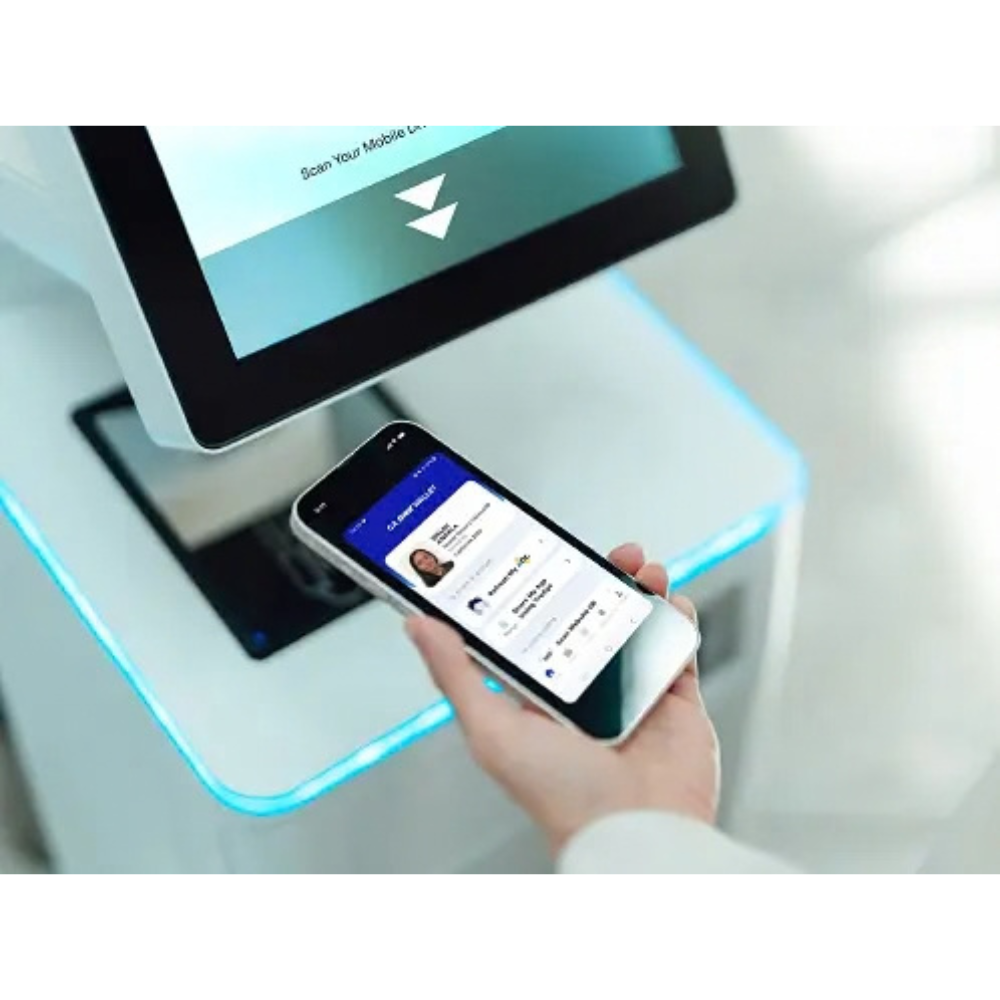
The mDL Verification Technologies capable ATOM and Halo ID readers enable fast, secure, in-person mDL verification. For environments requiring stronger authentication, pair them with our facial recognition and fingerprint technologies to add face matching, liveness verification or higher-confidence validation without disrupting workflows.
Secure, Fast and Proven in the Real World
- With a simple touch of a finger, fingerprint biometrics enable organizations to confirm identities, prevent fraud and protect people and assets. Trusted across industries, the technology delivers fast, reliable results — without disrupting workflows.
- From secure onboarding to ATM access and ongoing authentication, fingerprint biometrics help financial institutions prevent fraud while enhancing customer experiences.
Banking & Finance
From secure onboarding to ATM access and ongoing authentication, fingerprint biometrics help financial institutions prevent fraud while enhancing customer experiences. 
- Better Banking Experience
- Customer Onboarding (KYC)
- Fraud Prevention
Biometric ATM Authentication
- Workforce Authentication
How mDL Verification Works
- Cryptographic Checks: Rather than relying upon visual examinations or photographic documentation of plastic identification documents, verification systems employ government-issued digital signatures to provide mathematical confirmation of authenticity.
- In-Person Standards: Governed by ISO/IEC 18013-5, utilizing NFC, Bluetooth Low Energy (BLE), or Wi-Fi Aware for device-to-reader exchanges.
- Remote/Online Standards: Governed by ISO/IEC 18013-7, allowing web and app-based verification via protocols like OpenID4VP.
- Selective Disclosure:
Individuals disclose exclusively the data attributes that have been explicitly requested (for instance, completing an age verification process without disclosing their complete date of birth), thereby substantially reducing the scope of personal information exposure.