Description
These proximity cards are low-frequency (125 kHz) contactless Radio Frequency Identification (RFID) devices which used for physical access control, door entry, and parking systems.
Some main physical types of proximity cards:
Some main physical types of proximity cards:
- Printable / ISO Prox Cards: Thin, credit-card-sized (CR80) PVC or composite cards with a glossy surface designed for direct photo printing.
- Clamshell Cards: Thick, rigid cards made of two plastic pieces with an internal antenna. They are cheap and durable but cannot be run through standard ID badge printers.
- Magnetic Stripe Cards: Dual-encoding credentials that combine a 125 kHz proximity chip with a high-coercivity magnetic stripe for legacy payment or tracking systems.
- Key Fobs & Keychains: Compact plastic fobs containing a mini proximity antenna, ideal for everyday key rings.
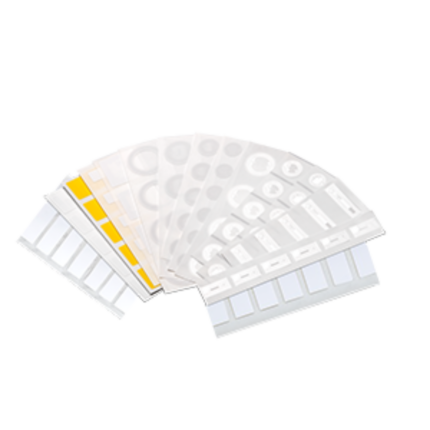
- Adhesive Tags: Thin sticker-like transponders that can be attached to smartphones, ID badges, or wallets.
- Active Tags: Battery-powered long-range tags (like the HID ProxPass) used mainly for automated vehicle gate access.
Widely Recognized Industry Standards and Established Brands
- HID Prox: The predominant international standard encompasses models such as the HID 1326 ProxCard II and the HID 1386 ISOProx II.
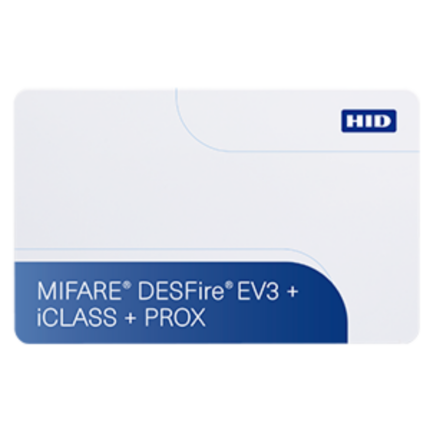
- Multi-Technology Cards: Integrated identification credentials that merge conventional 125 kilohertz proximity technology with contemporary 13.56 megahertz intelligent card systems (including iCLASS and MIFARE platforms) to facilitate organizational infrastructure modernization.
- HID proximity card types
125 kHz standard and come in several form factors and model types for physical access control.
- HID proximity card on phone
- What is a HID proximity card
- HID proximity card reader app
- HID proximity card frequency
- HID Prox card II
- Proximity card vs smart card
- HID 0009P card format
About brand
hid