Thermal Printer
Key Types of Thermal Printing
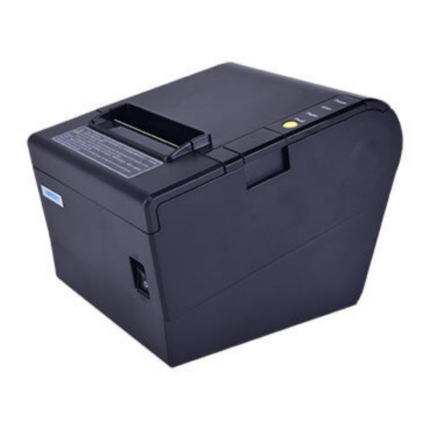
- Direct Thermal: The printhead makes direct contact with heat-sensitive thermal paper, which darkens when heated. Commonly used for receipts, shipping labels, and movie tickets.
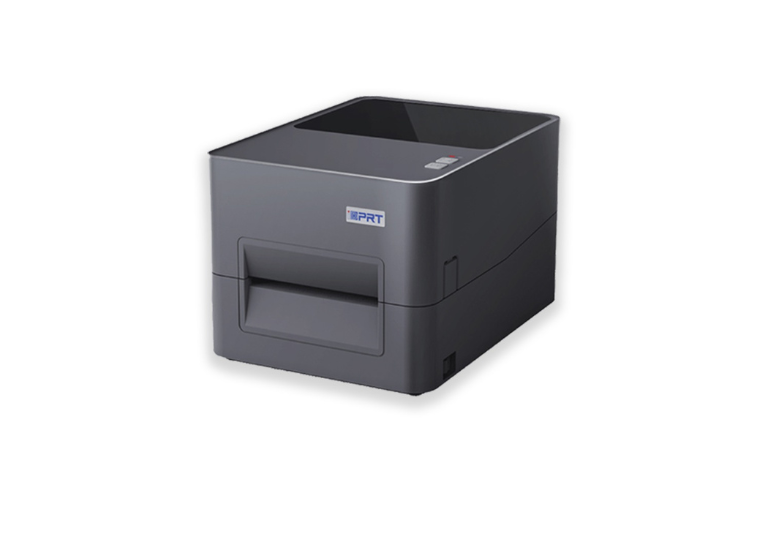
- Thermal Transfer: The printhead melts a wax or resin-based ribbon onto the paper. This produces more durable, long-lasting prints, making it ideal for high-quality barcodes and asset tags.
Common Uses
-
- Retail & Hospitality: POS (Point-of-Sale) systems for printing receipts and invoices.
- Logistics & Warehousing: Printing shipping labels, tracking barcodes, and package tags.
- Healthcare & Admin: Generating patient wristbands, prescription labels, and visitor passes.
- Personal & Portable: Mini Bluetooth pocket printers for photos, notes, and journaling. [1, 2, 3, 4]
Advantages & Disadvantages
- Pros: Remarkably swift, with no cumbersome ink replacements, quieter functioning, and a reduced number of moving components, all contribute to minimizing mechanical failures.
- Cons: The document is susceptible to heat and light, which can lead to the fading of prints over time. Additionally, direct thermal printers are primarily restricted to monochromatic (black and white) printing.
Description
Here are five advantages of thermal printer are:
- Limited color options.
- Sensitivity to heat and abrasion.
- Special thermal paper is required.
- Fading prints due to overexposure.
- Direct thermal printers aren’t suitable for long-term archival.
Thermal printers provide rapid, inkless printing; however, they possess considerable limitations for everyday applications. The five primary disadvantages include the tendency for prints to deteriorate when subjected to heat or light, a predominant restriction to monochrome (black and white) output.
The necessity for costly specialized paper, the fragility of heat-sensitive printheads, and their unsuitability for high-resolution images
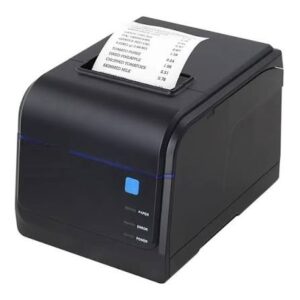
Main Types of Thermal Printers
- Direct Thermal Printers: Thermal printer uses heat directly on chemically treated paper. Best for short-term receipts and basic shipping labels.
- Thermal Transfer Printers: It uses a heated ribbon to melt ink onto the material. Best for long-lasting, durable asset and product tags.
- Portable/Mini Printers: Compact Bluetooth devices designed for mobile receipt printing, note-taking, or printing stickers for children.
✅ 📞 For details and order: +92-303-786-2488
Here are five key disadvantages of thermal printers:
- Poor Print Permanence (Fading): Thermal paper is extremely susceptible to environmental influences. With the passage of time, prints diminish in quality when subjected to sunlight, heat, or moisture, rendering them inappropriate for long-term storage or documentation.
- Limited Color Options: Most thermal printers (specifically direct thermal) are limited to black and white printing. They cannot produce color images or documents
- High Cost of Specialized Paper: While you save money by not buying ink or toner, the required thermal paper often costs more than regular paper
- Fragile Printhead Components: The printheads, crucial for generating heat to activate the paper, are susceptible to damage or wear over time. Repairing or replacing them can often be quite costly.
- Limited Use Cases & Environmental Sensitivity: The thermal printer cannot print on various materials, including fabric or photo paper, and it is susceptible to heat damage, as high temperatures may cause the entire document to turn black
- IDPRT IF4 desktop lable Printer
- Best Ecommerce Label Printer IDPRT iD888
-
Thermal printer price Current price is: Rs 7,800.
About brand
idprt